

Bio
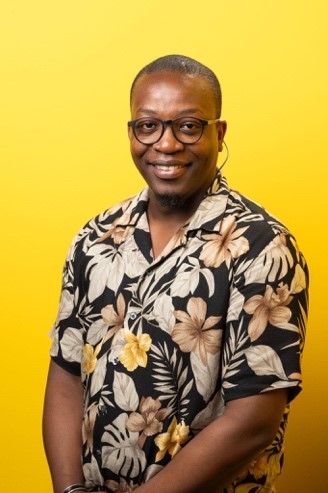
Brian Sibeko-Ngidi is a passionate social justice activist, LGBTI+ advocate, critical food studies scholar, and nonprofit leader dedicated to advancing inclusive, equitable communities across South Africa. His work sits at the nexus of grassroots activism and policy advocacy, engaging schools, healthcare systems, traditional and religious leaders, and families to challenge deeply rooted cultural norms and promote dignity and equality for all.
As Director of Uthingo Network, Brian leads a dynamic team working at the intersection of human rights, public health, and social transformation. With more than a decade of experience in the civil society sector, he has championed the rights and well-being of LGBTI+ individuals—particularly in rural and peri-urban communities—by addressing hate crimes, LGBTI+ supporting survivors of hate crimes, promoting LGBTI+ inclusive education, and delivering sex-positive, trauma-informed sexual and reproductive health (SRH) services.
Academically, Brian is rooted in critical food studies, where his research explores how food, race, gender, sexuality, and power intersect within broader socio-political structures—particularly as they relate to access, identity, and queer life in the Global South.
Title:
Consuming Status, Performing Identity: Food, Class, and Queer Subjectivity Among Black Gay Men in Pietermaritzburg.
ZoomLink: https://ukzn.zoom.us/j/97490284198?pwd=zWwAKfqF0FhqzaOOkqXlIznOfq0Ake.1
Date & Time: 12 June 2025, 13:00 – 14:00 (SA Time)
Abstract:
This presentation explores how food consumption practices among Black gay men in Pietermaritzburg reflect and reproduce status, identity, and belonging in the context of race, class, and sexuality. Drawing from qualitative data gathered through in-depth interviews and participant observations; the study investigated how Black gay men use food, dining spaces, and consumer culture to negotiate visibility, resist marginality, and articulate aspirational middle-class identities. Framed by intersectionality and status consumption theory, the research reveals that food is not merely a source of sustenance but a powerful medium through which participants perform respectability, fashion aspirational lifestyles, and navigate sociocultural hierarchies shaped by historical legacies of apartheid, heteronormativity, and racial capitalism.
This presentation contributes to critical conversations on queerness and consumption by centring the lived experiences of Black queer people in South Africa. It argues for a more nuanced understanding of how food intersects with broader struggles for dignity, social mobility, and self-definition in post-apartheid urban life.